What is a container camp?
Container camp
A container camp is an innovative and practical solution for temporary or semi-permanent accommodation that is rapidly gaining popularity around the world. Unlike traditional construction methods, a container camp utilizes shipping containers or modular units to create living spaces, offices, or storage facilities. These camps are highly versatile and can be deployed in a variety of settings, ranging from disaster relief zones to construction sites, military operations, and even luxury temporary housing projects. The concept is grounded in efficiency, sustainability, and adaptability, making it an ideal option for modern needs.
The primary appeal of a container camp lies in its speed of deployment. Traditional buildings can take months or even years to complete, while container camps can be established in a fraction of the time. Pre-fabricated containers are designed to be easily transported and assembled, allowing organizations to set up fully functional accommodations within days or weeks. This makes container camps particularly valuable in emergency situations where displaced populations need immediate shelter, such as after natural disasters, floods, or earthquakes. The ability to provide safe and organized housing in a short span of time can save countless lives and bring stability to communities in crisis.
Another significant advantage of a Container Camp is cost-effectiveness. Constructing a conventional building requires significant investments in labor, materials, and time. In contrast, using containers or modular units drastically reduces construction costs. Additionally, these camps are reusable, meaning that once their initial purpose is fulfilled, they can be relocated or repurposed with minimal effort. This financial flexibility appeals to both humanitarian organizations and private companies looking for temporary but reliable infrastructure solutions.
Container camps are also praised for their durability and safety. Shipping containers are originally designed to withstand harsh marine environments, making them naturally resistant to weather conditions, pests, and even fire when properly modified. When transformed into a living or working space, they can be insulated, ventilated, and equipped with essential amenities such as electricity, plumbing, and heating systems. This ensures that inhabitants have a secure and comfortable environment while also maintaining a level of resilience that traditional temporary shelters often lack.
Sustainability is another critical factor contributing to the rise of container camps. By repurposing used shipping containers, these camps reduce waste and minimize the environmental impact associated with traditional construction. Many container camps incorporate eco-friendly designs, such as solar panels, rainwater harvesting systems, and energy-efficient insulation, to create greener living spaces. This combination of practicality and environmental responsibility makes container camps an appealing solution for both humanitarian and corporate projects aiming to reduce their ecological footprint.
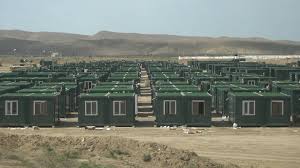
What is a container camp?
Flexibility in design is a hallmark of container camps. Containers can be stacked vertically or arranged horizontally to create multi-story accommodations, office blocks, classrooms, or recreational areas. Modular construction allows for easy expansion as population or project requirements grow. For instance, a camp initially designed to house 50 workers can be scaled up to accommodate 200 without major structural modifications. Furthermore, containers can be customized in terms of interior layouts, finishes, and utilities to suit a wide range of purposes. This adaptability makes container camps suitable for long-term settlements as well as short-term emergency relief.
Logistics and mobility are essential advantages of a container camp. The standardized dimensions of shipping containers facilitate transportation via trucks, trains, or ships, enabling camps to be established in remote or hard-to-reach locations. This is particularly beneficial for mining operations, oil and gas projects, or scientific research stations located in isolated areas where conventional construction is impractical. Mobile container camps can also be disassembled and moved to new locations once a project is complete, maximizing resource efficiency.
The concept of container camps has also expanded into the hospitality sector. Modern designers and architects are creating stylish, comfortable, and even luxurious container-based hotels, resorts, and glamping sites. These developments combine the convenience of modular construction with aesthetic appeal, demonstrating that container camps are not only functional but can also provide unique and attractive experiences. Such innovative applications are transforming the perception of container camps from purely utilitarian structures to versatile spaces suitable for a variety of lifestyles and industries.
Security and organization within a container camp are easier to manage compared to traditional camps. Containers offer lockable units that can safeguard personal belongings or sensitive equipment. Camp layouts can be designed for optimal accessibility and monitoring, creating safer environments for residents or workers. Moreover, sanitation facilities, kitchens, and recreational areas can be integrated seamlessly into the camp’s design, ensuring that daily life is manageable and comfortable.
In conclusion, a container camp represents a forward-thinking approach to temporary and semi-permanent accommodation. Its rapid deployment, cost efficiency, durability, sustainability, flexibility, and mobility make it a compelling choice for emergency shelters, construction projects, corporate housing, and innovative hospitality experiences. As the demand for adaptable and environmentally conscious solutions continues to grow, container camps are poised to play an increasingly significant role in shaping how we approach temporary living and working spaces. They are more than just containers; they are versatile, practical, and sustainable solutions for modern challenges.