Kalyan Jodi Chart Explained: A Complete Guide to Historical Results and Number Records
The Kalyan Jodi chart is a popular online search topic for people interested in historical number records and result information associated with Kalyan Matka. These charts organize numerical entries into tables, allowing readers to review previously published information and understand how two-digit combinations are presented.
Finding clear information online can sometimes be challenging because different websites use different chart formats. Understanding the structure of a Kalyan Jodi chart helps readers navigate historical records, identify relevant dates, and evaluate the information provided by different sources.
This article explores the purpose of jodi charts, their common features, and practical tips for reading historical records responsibly.
What Is a Kalyan Jodi Chart?
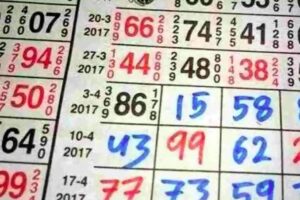
A Kalyan Jodi chart is a numerical reference table associated with Kalyan Matka results. It typically displays two-digit combinations alongside dates or other identifying information. Depending on the publisher, the chart may include daily entries, weekly summaries, monthly records, or historical information from previous years.
The main purpose of the chart is to organize numerical records in an accessible format. Readers can use the table to locate specific entries without visiting multiple pages.
A typical chart may contain the following elements:
- Date: The date associated with a recorded entry.
- Jodi number: A two-digit combination displayed in the table.
- Historical results: Previously published records arranged by date.
- Chart category: A section that separates different types of information.
- Record period: The timeframe covered by the available entries.
The exact format can vary between websites, so checking the source and the publication date is important.
Why Is the Kalyan Jodi Chart Popular?
The popularity of the Kalyan Jodi chart comes from its simple presentation. Numerical tables make it easier to locate specific information without reading lengthy descriptions. They also help readers understand how dates and number combinations are organized.
Some people search for these charts to learn about jodi number terminology, while others want to explore historical records or understand the layout of result tables. A clearly structured chart can make this process more convenient.
For website owners, publishing informative content about the kalyan jodi chart can improve the visitor experience. Readable tables, descriptive headings, mobile-friendly layouts, and simple navigation help visitors find relevant information efficiently.
However, readers should not assume that every online chart is accurate. Evaluating the source is an important part of reviewing numerical information.
How to Read a Kalyan Jodi Chart
Reading a Kalyan Jodi chart is relatively straightforward when the table is properly organized. Most charts connect dates with corresponding numerical entries through rows and columns.
Follow these steps to understand a chart:
- Check the heading: Confirm that the chart contains the information you want to review.
- Identify the date range: Determine which period the records cover.
- Locate the entry: Find the relevant date and read the associated jodi number.
- Verify the information: Compare important details with another credible source when possible.
- Understand the limitations: Remember that historical results do not guarantee future outcomes.
These steps can help readers interpret chart entries more accurately and avoid confusion between different periods.
Important Features of a Reliable Chart Website
A useful Kalyan Jodi chart website should prioritize transparency, accuracy, and readability. Visitors should be able to understand the table without encountering confusing labels or misleading claims.
Important features include clearly marked dates, consistent formatting, readable fonts, and compatibility with mobile devices. Search functions can also make it easier to find particular entries.
Reliable publishers should explain their information sources and distinguish historical records from speculative predictions. Websites that promise guaranteed numbers or assured profits should be approached with caution.
Can Historical Jodi Numbers Predict Future Results?
Many readers wonder whether a Kalyan Jodi chart can reveal future winning combinations. Although these charts provide information about previously recorded results, they cannot independently establish a reliable method for predicting future numbers.
Patterns in historical records may appear significant even when they occur by chance. Consequently, claims about fixed numbers, guaranteed predictions, or assured financial returns should not be accepted without credible evidence.
Where wagering is involved, readers should understand the potential financial risks, avoid risking money they cannot afford to lose, and follow applicable local laws and regulations.
Tips for Finding Better Kalyan Jodi Chart Information
When searching online, prioritize websites that provide clear dates, consistent records, and transparent source information. Compare historical entries where possible, and check publication dates to distinguish archived records from newer updates.
Avoid sharing unnecessary personal or financial information with unfamiliar websites. A careful approach can help you recognize misleading claims and make more informed decisions.
Conclusion
The Kalyan Jodi chart offers an organized way to explore historical number records associated with Kalyan Matka. By understanding the chart’s structure, checking dates, and evaluating the credibility of online sources, readers can navigate available information more confidently.
A useful chart should emphasize clarity and transparent recordkeeping rather than unrealistic promises. Historical results cannot guarantee future outcomes, so prediction claims should always be evaluated carefully. Responsible research helps readers understand the purpose, usefulness, and limitations of the Kalyan Jodi chart.