What finishes are available for plated castings?
plated castings
The world of plated castings offers a remarkable array of surface finishes, each imparting distinct functional and aesthetic properties to the underlying cast component. The versatility of these finishes is a key reason why plated castings are so widely utilized across diverse industries, from automotive and electronics to consumer goods and architecture. Understanding what finishes are available for plated castings is essential for designers and engineers aiming to optimize performance, enhance appearance, and ensure the longevity of their products. The choice of finish depends on factors such as environmental exposure, desired wear resistance, electrical conductivity, and visual appeal.
One of the most common and versatile finishes for plated castings is nickel plating. Nickel can be applied in various forms, including bright nickel for a highly reflective, decorative finish often seen on consumer products and automotive trim, or as dull/satin nickel for a more subdued, less reflective appearance. Electroless nickel plating, another variant, offers exceptional uniformity, even on complex geometries, and provides excellent corrosion and wear resistance without the need for an external power source during deposition. Nickel serves as an excellent underlayer for other platings due to its good adhesion and barrier properties.
Chromium plating is another highly popular option, often applied over a nickel base for enhanced durability and a distinctive look. Decorative chrome provides a brilliant, mirror-like finish that is highly resistant to tarnish and corrosion, making it a staple for automotive parts, plumbing fixtures, and appliance components. Hard chrome plating, on the other hand, is much thicker and offers superior wear resistance, low friction, and excellent hardness, making it ideal for industrial applications like hydraulic cylinders, machine components, and tools where abrasion and impact are concerns for plated castings.
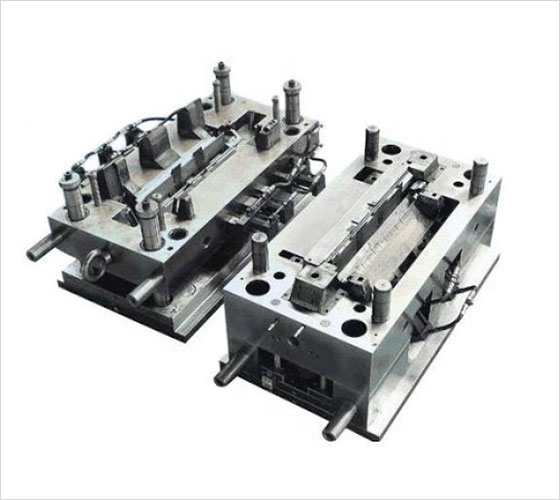
What finishes are available for plated castings?
Copper plating is frequently used as an initial strike layer on many base metals, particularly those that are difficult to plate directly, acting as a buffer or leveling layer before subsequent finishes. It offers excellent electrical conductivity and can also be used for its aesthetic appeal in certain decorative applications, sometimes with a clear lacquer to prevent tarnishing. Brass plating provides a warm, golden appearance and is often chosen for its decorative qualities, emulating the look of solid brass at a lower cost, especially for light fixtures and furniture hardware.
Beyond these common options, specialized finishes cater to specific performance needs for plated castings. For instance, a durable zinc plated finish is widely employed for its exceptional corrosion protection, particularly on steel and iron castings. Zinc plating can be further enhanced with various chromate conversion coatings (e.g., clear, yellow, black) to increase its corrosion resistance and alter its appearance. Tin plating offers excellent solderability and corrosion resistance, making it suitable for electrical components and food-contact applications. Precious metal platings like gold, silver, and palladium are chosen for their superior electrical conductivity, tarnish resistance, and aesthetic value, especially in electronics, jewelry, and medical devices.
In summary, the array of finishes available for plated castings is extensive, allowing for precise customization to meet virtually any application requirement. From highly decorative bright finishes to robust, wear-resistant coatings and specialized conductive layers, the selection of the right plating significantly impacts the final product’s performance, durability, and market appeal. This broad spectrum of options underscores the versatility and importance of plated castings in modern manufacturing.